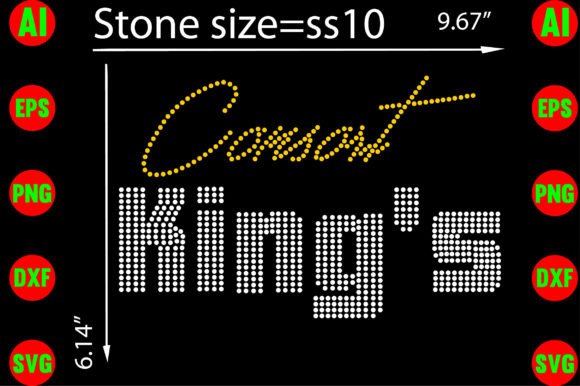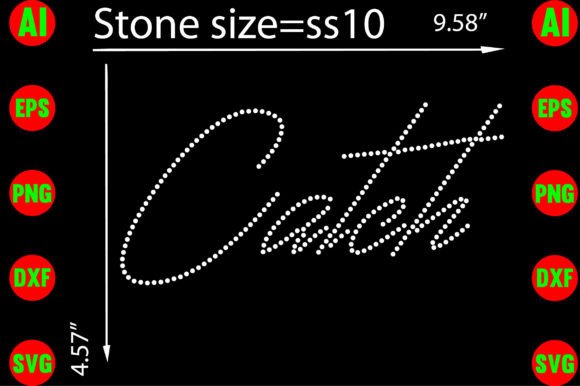
Catch Rhinestone Templates Design: A Modern Toolkit for Sparkling Creativity
In the world of custom apparel and personalized merchandise, the demand for eye-catching, professional-quality designs has never been higher. Whether you're an entrepreneur launching a boutique t-shirt line, a hobbyist creating unique gifts, or a marketer designing branded promotional items, the tools you use directly impact the quality and efficiency of your work. This is where a well-crafted Catch Rhinestone Templates Design becomes an invaluable asset, bridging the gap between creative vision and a polished, market-ready product.
Understanding the Core of Rhinestone Template Design
At its foundation, a Catch Rhinestone Templates Design is a digital blueprint. It provides the precise layout and spacing required to apply rhinestones, sequins, or other embellishments onto a substrate like fabric, wood, or ceramic. Historically, creating these templates was a manual, time-consuming process involving hand-drawn patterns and trial-and-error. Today, digital templates have revolutionized this craft. They offer precision, scalability, and instant reproducibility, which are critical for both one-off projects and small-batch production runs.
The evolution from manual to digital mirrors broader trends in creative industries. Similar to how graphic designers moved from paste-up to Adobe Illustrator, and how printmakers adopted laser-cut screens, crafters and small business owners now rely on digital templates to maintain consistency and quality. This shift is driven by the need for speed, the ability to easily modify designs, and the requirement to produce items that meet modern consumer expectations for detail and durability.
Why Versatility in File Formats Matters
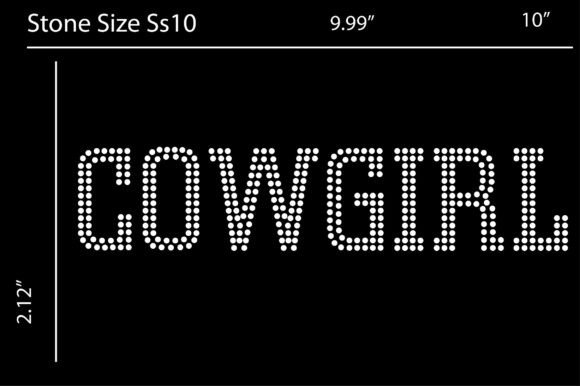
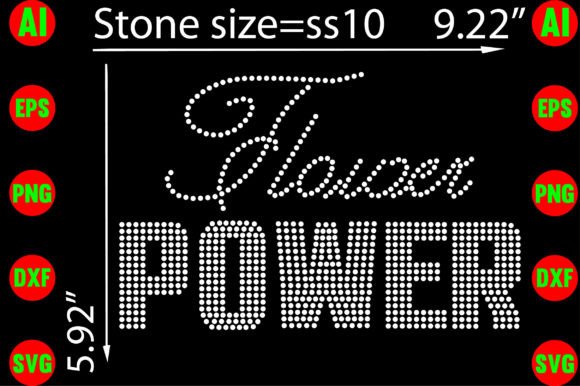
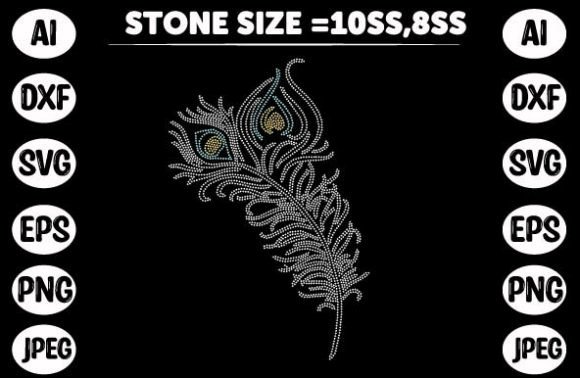
A significant factor in the utility of a template is its compatibility with various software and cutting machines. This is why a comprehensive package, like the one described in our Printable Catch Rhinestone Templates Design, is so valuable. When you receive an INSTANT DOWNLOAD containing multiple file formats, you are equipped for virtually any workflow.
- AI and EPS files are the workhorses for professional designers using Adobe Illustrator or CorelDRAW. They are vector-based, meaning they can be scaled to any size without losing clarity, which is perfect for creating large banners or tiny logo accents.
- SVG and DXF files are essential for the home crafter and small business owner. These formats are directly compatible with popular electronic cutting machines like Cricut and Silhouette. They allow the machine to precisely cut the template from heat transfer vinyl or stencil material, which then guides the placement of the rhinestones.
- Transparent PNG and High-Resolution JPEG files serve different but equally important purposes. A transparent PNG is ideal for layering in design software or for use in digital mockups. A 300dpi JPEG is perfect for direct printing onto transfer paper or for reference in project planning.
This multi-format approach acknowledges a modern reality: creators often work across different platforms and for different end-uses. A designer might sketch a concept in a vector program, a production assistant might cut the stencil on a desktop cutter, and a marketing team might need a high-quality image for a social media post. Providing all these formats in one package streamlines the entire creative pipeline.
Aligning with Current Creative and Business Trends
The relevance of a robust template design package is amplified by several ongoing trends. The rise of the maker economy has empowered individuals to turn crafting skills into businesses. Platforms like Etsy, Shopify, and local craft fairs are filled with creators selling personalized items. For these entrepreneurs, efficiency is profit. A ready-to-use, editable template drastically reduces the time from concept to finished product, allowing for quicker inventory turnover and the ability to respond to seasonal trends or custom orders.
Furthermore, consumer preferences are increasingly leaning towards personalization and handmade quality. A generic, mass-produced item often holds less appeal than something with a unique, tactile element like rhinestones. A Catch Rhinestone Templates Design enables creators to meet this demand without needing advanced artistic skills. It provides the professional scaffold upon which they can build unique color combinations and applications.
Technological accessibility also plays a role. The cost of entry for starting a custom apparel business has decreased significantly. A hobbyist with a desktop cutting machine, a heat press, and a library of digital templates can produce items that rival small commercial operations. The template is the critical piece of intellectual property that makes this possible.
Practical Applications and Project Implications
The statement that such a design is "perfect for printing on t-shirts, mugs, cushions, and any projects you might have" is grounded in practical reality. The applications are broad:
- Apparel Customization: This is the most common use. Rhinestone templates are used to create dazzling designs on t-shirts, hoodies, hats, and dancewear. The template ensures even spacing and alignment, which is the key to a professional finish.
- Home Décor and Accessories: Beyond clothing, rhinestones add flair to throw pillows, tote bags, and even footwear. A template allows for consistent pattern application across multiple items, which is essential for creating a cohesive product line.
- Event and Promotional Merchandise: For businesses, charities, or events, rhinestone-adorned items serve as memorable merchandise. A template ensures the logo or event name is rendered accurately every time, maintaining brand integrity.
- Personalized Gifts: For the hobbyist, templates make it feasible to create high-quality personalized gifts for weddings, birthdays, or holidays that have a truly premium feel.
The fact that the files are editable is a crucial detail. An editable file means you are not locked into the original design. You can change colors, adjust the size of individual elements, or combine parts of different templates to create something entirely new. This transforms the template from a rigid pattern into a flexible creative tool, aligning with the modern expectation for customization.
Integrating Templates into a Modern Workflow
For the professional or serious hobbyist, a high-quality template integrates seamlessly into a digital workflow. The process might look like this:
A designer selects a Catch Rhinestone Templates Design and opens the AI file to customize the color scheme to match a client's brand. They export an SVG file and send it to their cutting machine to produce a stencil. Using the stencil, they apply rhinestones to a sample product. Once approved, they can use the same digital file to produce stencils for an entire batch, ensuring every item is identical. Meanwhile, the marketing team uses the provided JPEG to create a product listing or social media graphic.
This workflow highlights the template's role as a central, unifying asset. It reduces errors, saves time on manual measurement, and allows for easy scaling of production. In a market where speed-to-market and quality are paramount, having reliable, professional design assets is not a luxury—it's a fundamental component of a sustainable creative practice or business.
Ultimately, a well-constructed Catch Rhinestone Templates Design package is more than just a set of files. It is a comprehensive solution that addresses the technical, creative, and business needs of today's creators. It acknowledges the diversity of tools in the modern workshop and empowers users to produce consistent, high-quality work efficiently, turning a sparkling idea into a tangible, professional reality.